Gallery

Habulus Tranquil Gallery

What the Habulus Tranquil renders and published visuals actually tell a buyer about facade character, amenity ambition, open-space promise, and the remaining gaps that only live construction photos can close.

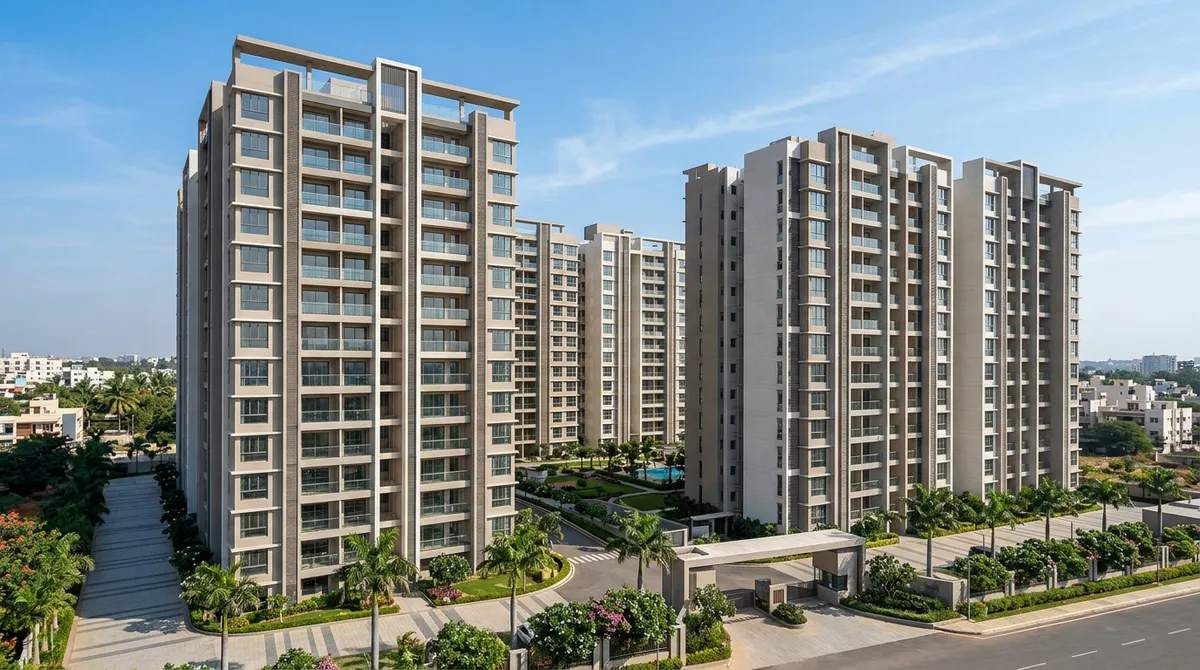
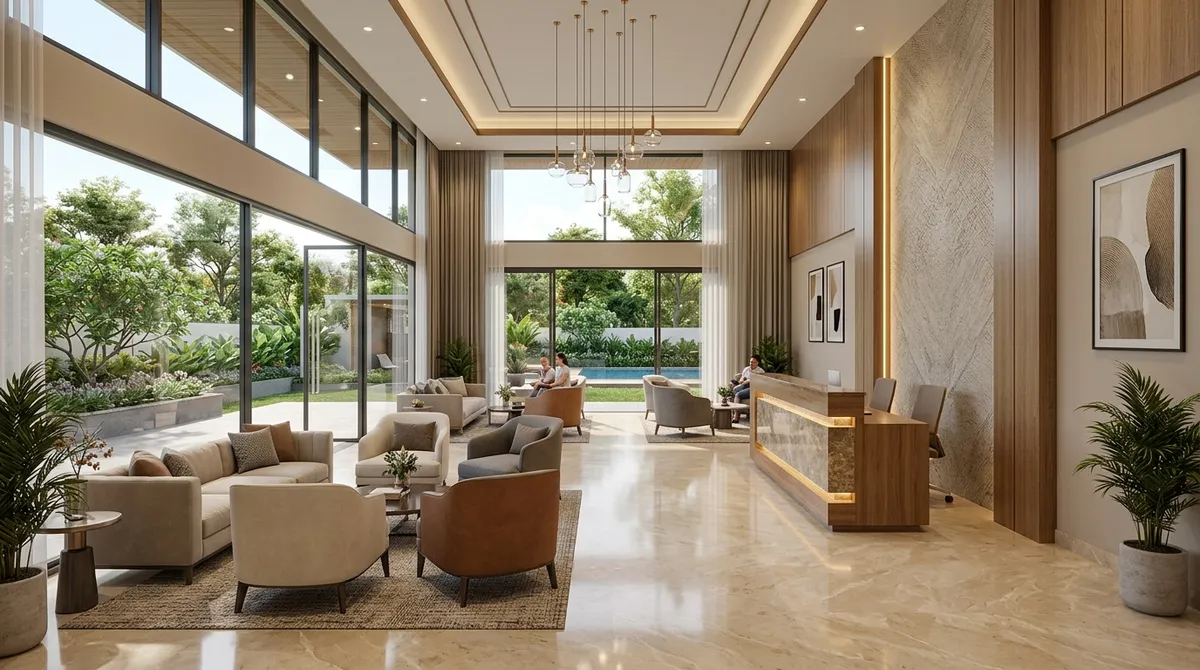
Aerial views Exterior renders Clubhouse imagery Pool visuals
What The Visuals Prove

The gallery is most useful when it is treated as evidence of the project’s planning intent.

The Habulus Tranquil gallery is not valuable because it looks attractive in isolation. It is valuable because it helps the buyer check whether the sales narrative is visually coherent. If the project says it offers a family-oriented community with open space, clubhouse weight, and a balanced mid-rise feel, the visuals should support that. Aerial renders should show the spacing between towers, facade images should suggest the intended massing and elevation character, and amenity visuals should tell a believable story about how the community is supposed to be used.

That makes the gallery a supporting proof layer for the broader project thesis. A strong render set cannot prove legal clarity, delivery pace, or final finish quality, but it can reveal whether the planning story has internal consistency. At Habulus Tranquil, the current image family is most helpful when used alongside the scale and master-plan facts: 5 acres, 4 towers, 75 percent open space, and a clubhouse-led amenity cluster.

In other words, the buyer should not ask whether the images are beautiful. The buyer should ask whether the images make the project’s claims look spatially plausible.

What brochure visuals can confirm

  • Whether the project is leaning toward a dense or open spatial character.
  • How central the clubhouse and leisure areas are to the community story.
  • Whether the landscaping language feels token or substantial.
  • How the brand wants the facade and arrival experience to read.

What brochure visuals cannot confirm

  • Exact construction-stage quality or finish standards.
  • Real tower separation from a lived balcony perspective.
  • Actual maintenance quality after handover.
  • The final material and execution match with the brochure mood.
How To Read Each Image Type

The best gallery review is systematic, not emotional.

Aerial views should be read first because they tell the most honest story about site organization. On Habulus Tranquil, these images help a buyer ask whether the project really feels like four towers in a breathable site or whether the open-space language is doing more work than the actual layout. Exterior renders come next because they reveal whether the building identity is calm and residential or aggressively styled. Clubhouse and pool imagery come after that because they show the intended social tone of the project.

Landscaping visuals deserve more attention than buyers usually give them. In apartment projects, the difference between a visually green development and a genuinely comfortable one often comes down to the quality of planted space, shaded movement, seating edges, and the presence of usable softscape. If the imagery consistently shows active greens, family movement, and comfortable spacing, it supports the project’s residential positioning.

The gallery also helps buyers identify the next document to request. If the renders emphasize clubhouse scale, ask for the current construction progress of that block. If the aerial view suggests strong open space, ask for the latest sanctioned or branded master-plan sheet. If the facade looks ambitious, ask for specifications or finish notes that indicate how close the delivered product is expected to be.

Reference Trail

Use the gallery together with public references, not instead of them.

The public-facing reference block matters here because this page should not become a pure marketing mirror. Buyers reviewing the gallery should also have access to the official project page, the Habulus Group background, and the location map that supports site-visit planning. Those links make the page more useful by encouraging verification instead of passive browsing.

This is also the right page to remember that different public sources can overstate or simplify a project. The official gallery supports the identity of the project, but the brochure and local data still matter more for core facts. Use the visuals to judge coherence and promise; use the official and local documents to judge hard details.

Facade And Massing

The exterior images matter because they show whether the project is aiming for a calm residential identity or a louder launch-stage look.

Exterior imagery often gets reduced to aesthetics, but it is more useful than that. At Habulus Tranquil, the exterior views can help a buyer judge whether the facade treatment, tower proportions, and overall massing support the mid-rise family-community story that the project is trying to tell. If the architecture looks clean, repeated, and livable rather than aggressively stylized, that is usually a good sign for long-term residential comfort. Projects designed for everyday living often age better visually than projects chasing only launch buzz.

This does not mean renders prove final finish quality. They do not. What they can show is whether the intended identity of the towers matches the rest of the project narrative. In Habulus Tranquil's case, the facade images should be read together with the planning language around open space, zero common walls, and a calmer mid-rise feel. That combination creates a more coherent residential reading than a louder luxury pitch would.

Buyers should therefore ask whether the specifications and live execution are likely to remain close to this visual intent. The stronger the alignment between render mood, brochure language, and actual construction stage, the more confidence the gallery deserves.

What To Request Next

The most productive gallery page ends with a sharper ask for live visual proof.

After reviewing the current render set, buyers should ask for updated live construction photos, especially of tower progress, common areas, and any structure related to the clubhouse or major amenities. If those photos are unavailable or weak, that may simply mean the project is in an early stage, but it still changes how the visuals should be interpreted. The earlier the stage, the more the gallery should be read as an intention rather than a near-finished promise.

It is also useful to request the latest brochure or media pack to see whether the sales narrative has remained stable. If the same visual themes keep appearing across time, that often signals a clearer product strategy. If the visuals and language shift substantially, buyers should ask whether the project positioning itself has changed. This kind of visual consistency check is subtle, but it helps serious buyers read the project more intelligently.

Used well, the gallery becomes part of due diligence rather than just the most attractive page on the site. That is the standard this rewrite should meet.

Buyer Mindset

The right way to use the gallery is to separate visual promise from physical proof.

If a buyer can do that clearly, the gallery becomes one of the most useful research tools on the site. It helps define what the project wants to be, what the brand considers important enough to show first, and which aspects of the community deserve the most scrutiny on a visit. At Habulus Tranquil, that means paying attention to openness, facade calmness, family-scale recreation, and the prominence of the clubhouse and greens.

A disciplined gallery review also avoids cynicism. The goal is not to dismiss renders. The goal is to use them well. Good renders can genuinely improve understanding of a project. They simply need to be paired with live photos, site observation, and current planning material. This page should leave the buyer ready to ask for exactly those things.

That final step is what converts gallery browsing into serious due diligence, and it is the standard this page should meet before it is considered complete.

Reference Use

The gallery is strongest when it encourages a more informed visit rather than passive browsing.

That is the final standard for this page. If a buyer finishes the gallery with a sharper idea of what to look for on site, what to ask the project desk, and which visuals still need live confirmation, then the page is doing real work. Habulus Tranquil has enough visual structure for the gallery to support that kind of research-oriented reading.

Next Step

Need the latest brochure images or live construction photos to compare against the renders?

Use the enquiry page to request the current project pack and the latest image-led construction update.